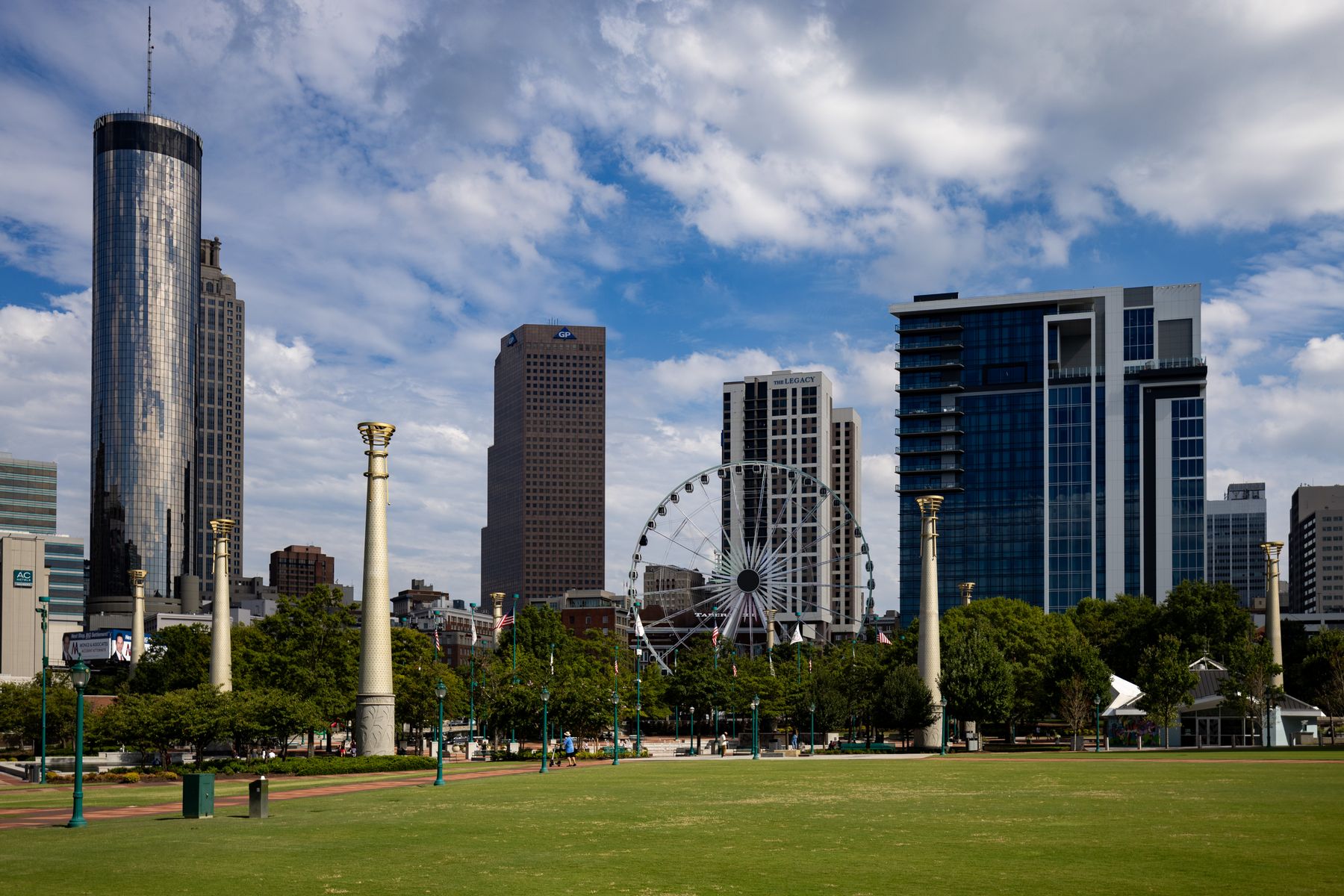

For a long weekend, base yourself in Midtown or Downtown. Midtown puts you within walking distance of Piedmont Park, the Atlanta Botanical Garden, and the High Museum of Art, and it has plenty of hotels at various price points. Downtown is closer to the Georgia Aquarium, World of Coca-Cola, and the National Center for Civil and Human Rights, and it's a hub for MARTA trains. Both areas have dinner options within a few blocks, which matters when you're tired after a day of sightseeing. Avoid staying near the airport unless you have an early flight; it's a 20-minute train ride to the city center but feels disconnected from the action.
Neighbourhoods That Work for a Short Stay
For a long weekend, base yourself in Midtown or Downtown. Midtown puts you within walking distance of Piedmont Park, the Atlanta Botanical Garden, and the High Museum of Art, and it has plenty of hotels at various price points. Downtown is closer to the Georgia Aquarium, World of Coca-Cola, and the National Center for Civil and Human Rights, and it's a hub for MARTA trains. Both areas have dinner options within a few blocks, which matters when you're tired after a day of sightseeing. Avoid staying near the airport unless you have an early flight; it's a 20-minute train ride to the city center but feels disconnected from the action.
If you prefer a more local vibe, look at Inman Park or Virginia-Highland. These leafy neighbourhoods have independent shops and restaurants along North Highland Avenue and Euclid Avenue, and they're a short rideshare from the main attractions. However, they lack the hotel density of Midtown and Downtown, so you'll likely stay in a boutique property or a bed-and-breakfast. For first-timers, I'd book a hotel in Midtown for the balance of walkability and transit access. For repeat visitors, Inman Park offers a quieter escape with easy access to the BeltLine.
Buckhead is another option, but it's more residential and upscale, with hotels clustered around Peachtree Road. It's convenient if you're visiting friends or doing business, but for sightseeing, you'll spend more time commuting. The MARTA stations in Buckhead are on the Red Line, so you can reach Midtown in about 10 minutes, but the area itself isn't as pedestrian-friendly for tourists.
What You Can Realistically See in Three Days
With three days, you can cover one or two major attractions per day without rushing. Start with the Georgia Aquarium and World of Coca-Cola in Downtown; they're next to each other and can be done in a morning and early afternoon. The aquarium is huge, so allow at least three hours. In the evening, head to the Westside Provisions District for dinner at one of the restaurants along Howell Mill Road. On day two, focus on Midtown: the High Museum of Art in the morning, then walk through Piedmont Park to the Atlanta Botanical Garden. Both are worth several hours. Book tickets online to avoid queues.
Day three could be dedicated to history and culture. The National Center for Civil and Human Rights and the Martin Luther King Jr. National Historical Park are both in Downtown, within a short drive or a 20-minute walk. The King Center and Ebenezer Baptist Church are moving experiences. If you have time, visit the Jimmy Carter Presidential Library and Museum, which is a bit east of Downtown and has beautiful grounds. Skip the Zoo Atlanta if you're short on time; it's in Grant Park, a 15-minute drive from Downtown, and requires at least half a day. Instead, use that time to explore the BeltLine's Eastside Trail, a revitalized rail corridor lined with art, eateries, and parks.
Evenings can be spent in Midtown or along the BeltLine. The Atlanta BeltLine is a 22-mile loop under development, but the Eastside Trail from Piedmont Park to Inman Park is complete and perfect for a stroll or bike ride. Rent a bike from a local shop or use a rideshare. For dinner, try the restaurants in Krog Street Market, a food hall in Inman Park. Note that many attractions close by 5 or 6 pm, so plan accordingly. If you're visiting in summer, schedule indoor activities during the hottest part of the day.
Getting Around Without a Car
Atlanta is car-centric, but you can manage without one if you plan. MARTA trains and buses cover the main tourist areas, and a Breeze card is easy to load. A single ride costs $2.50, and a day pass is $9. The Red and Gold lines connect the airport to Downtown and Midtown, and the Blue and Green lines go east-west. However, some attractions like the Botanical Garden and the BeltLine are a 10-15 minute walk from the nearest station. Rideshares are plentiful and often cost $10-20 for short trips within the city center. If you're staying in Midtown, you can walk to many restaurants and bars.
For the BeltLine and neighborhoods like Inman Park, a bike or scooter share is useful. Companies like Relay Bike Share have stations around the city. Be aware that Atlanta's hills can be steep, so e-bikes are a good option. If you're visiting multiple attractions in a day, consider a rideshare pass or a rental car for a day. Parking can be expensive ($20-30 per day at hotels), so factor that in. I'd skip renting a car unless you plan to venture outside the city; for a long weekend, MARTA and rideshares are sufficient and less stressful.
The Atlanta Streetcar is a免费 option that loops through Downtown, connecting the King Center to the Peachtree Center MARTA station. It's useful for covering the distance between the National Center for Civil and Human Rights and the Martin Luther King Jr. National Historical Park. However, it's slow and often crowded. Walking is feasible in Downtown and Midtown, but the blocks are long, so wear comfortable shoes.
Where to Stay: Matching Hotel to Itinerary
Your hotel choice should align with your daily plans. If you're focusing on Downtown attractions like the aquarium and civil rights sites, stay in Downtown. Hotels like the Atlanta Marriott Marquis or Hyatt Regency are within walking distance and offer convenient access to MARTA. For Midtown, consider the Loews Atlanta Hotel or the Georgian Terrace, which are close to the High Museum and Piedmont Park. Prices vary by season; spring and fall are peak, with rates often above $200 per night, while summer and winter can see deals around $150. Book directly with the hotel or through a reputable site to compare.
If you want a more local experience, look at boutique hotels in Inman Park or Old Fourth Ward. The Inn at Serenbe is outside the city (skip it for a short trip), but within Atlanta, places like the Stonehurst Place in Midtown offer a B&B feel. For budget-conscious travelers, consider hotels near the Perimeter, but that's a 20-minute drive to downtown and not ideal for a short stay. I'd book a hotel in Midtown for its central location, walkability, and variety of dining. Use the hotel's concierge or front desk for restaurant recommendations; they often know the current hotspots.
When booking, check if the hotel offers a shuttle to nearby attractions or includes breakfast. Some hotels charge resort fees, so read the fine print. Also, consider the hotel's proximity to a MARTA station; a 5-minute walk can save you time and money. If you're traveling with family, look for hotels with pools or suites. Ultimately, the best hotel is one that minimizes travel time between your must-see sights and provides a comfortable place to rest.
"Atlanta on a Long Weekend: What Fits and What Doesn't" was written by the people who run AirFair Atlanta and is published as they wrote it, in November 2026. It is in 4 parts: Neighbourhoods That Work for a Short Stay, What You Can Realistically See in Three Days, Getting Around Without a Car and Where to Stay: Matching Hotel to Itinerary.
Read the method ↗