Downtown Atlanta is a convention district, and on a dark week it empties after office hours. That is not a warning, it is a description. The neighbourhood is built around a calendar of events, and when the calendar is blank the streets go quiet in a way that surprises first-time visitors. This piece sets out what stays open, where the walking is genuinely decent, and when the quiet stops being atmosphere and becomes a reason to book a room somewhere else.
What downtown actually is after dark
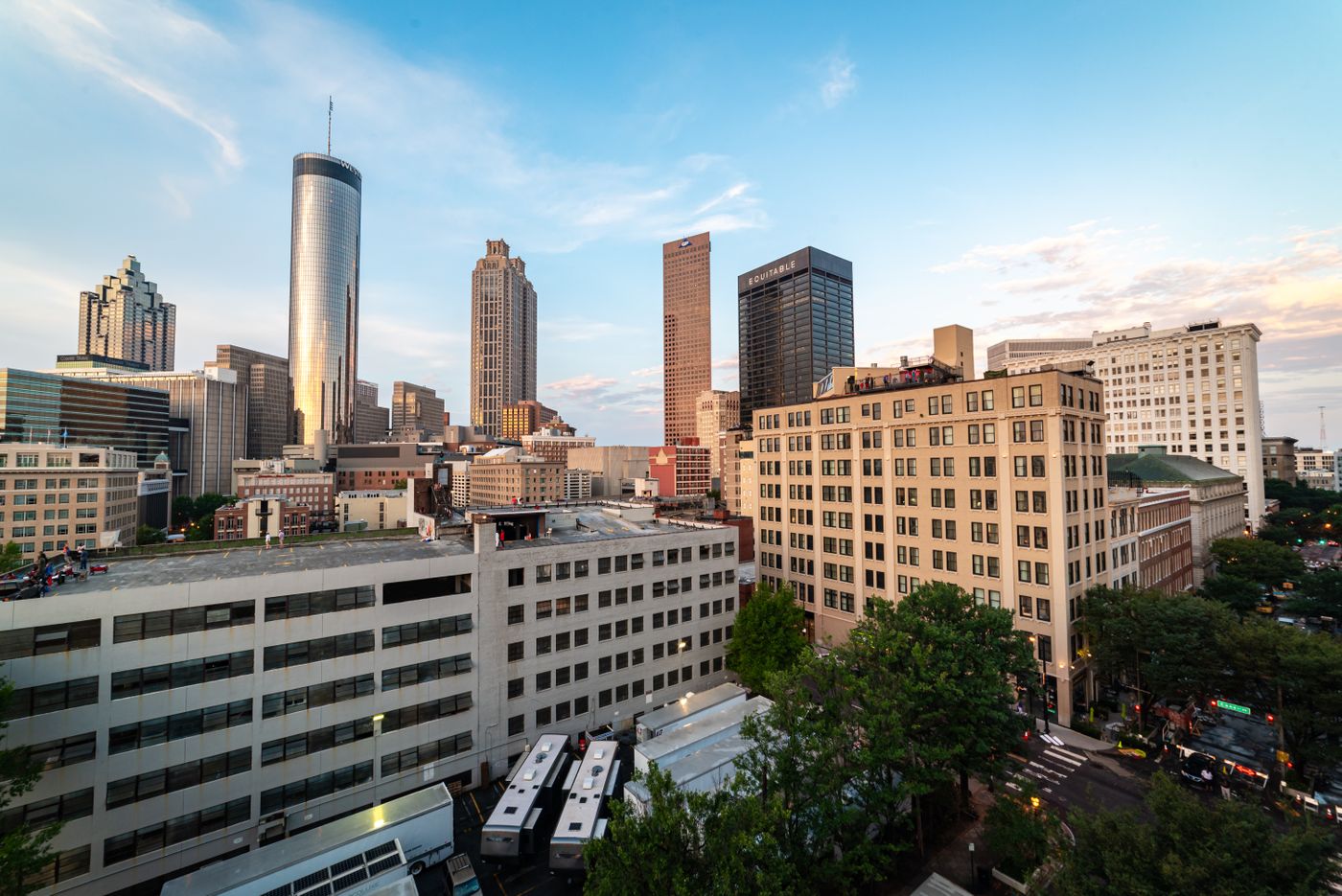
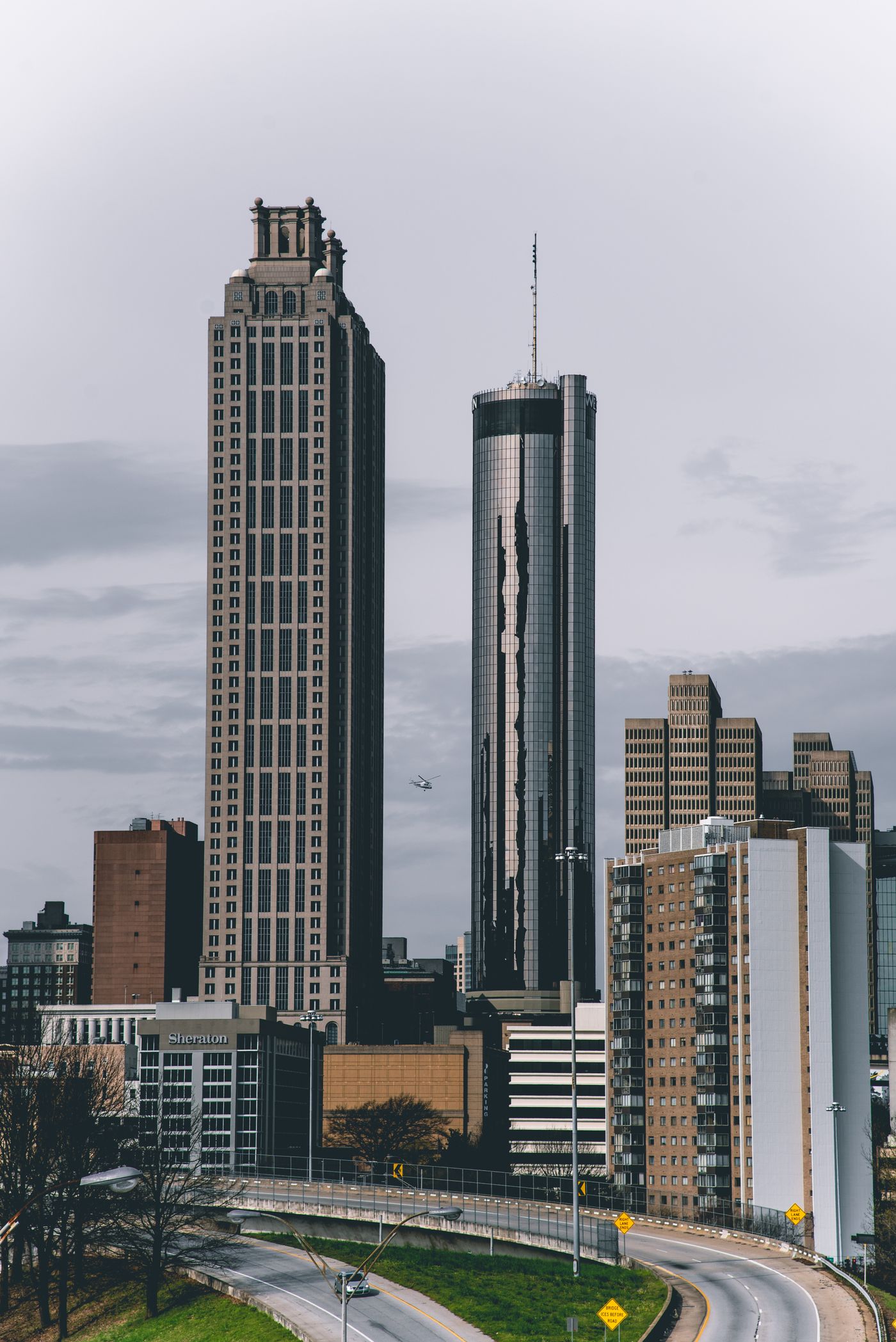
Start with the shape of the place. Downtown is not a neighbourhood in the residential sense. It is a grid of hotels, arenas, conference halls, office towers and a handful of attractions, and its rhythm follows the convention calendar rather than the sun. On a week with a large event in town, the pavements carry a crowd and the hotel bars fill. On a week with nothing on, the same pavements at nine in the evening are close to empty, and that is the normal state of things, not a sign that something has gone wrong. Plan for the quiet version and you will not spend the evening wondering where everybody went.
The attractions anchor the early part of the night. Centennial Olympic Park, the aquarium, the World of Coca-Cola and the National Center for Civil and Human Rights all sit within a few blocks of each other, and they give the evening a centre of gravity. Check each venue's own page for your date, because closing times move with the season and with private events, and a convention buyout can shut a place you had counted on. The point is that downtown's evening has a front half and a back half. The front half is the attractions and an early dinner. The back half is what this piece is really about.
Peachtree Street between the hotel towers is the spine, and it is where you will spend most of your walking time. It is lit, it has a steady trickle of people moving between hotels, and it connects the convention core to the older commercial blocks. The walk is not scenic in the way a residential neighbourhood is scenic, but it is legible: you can see where you are going, and you can see who else is out. That legibility matters more than atmosphere on a quiet night. Treat Peachtree as your default route and branch off it deliberately rather than accidentally.
Five Points station is the transit hub, and it is worth being clear about what that means after dark. It is a station, not a destination, and the blocks immediately around it thin out faster than the blocks around the hotels. Use it to arrive and leave, and do not plan to linger in its immediate surroundings unless you have a specific reason. Castleberry Hill to the southwest and Sweet Auburn to the east are both short hops away and both go quiet after dark on a non-event night. Quiet is their character, not a fault, but it changes what kind of evening you are signing up for.
The evening, stop by stop
Where the quiet turns into a problem
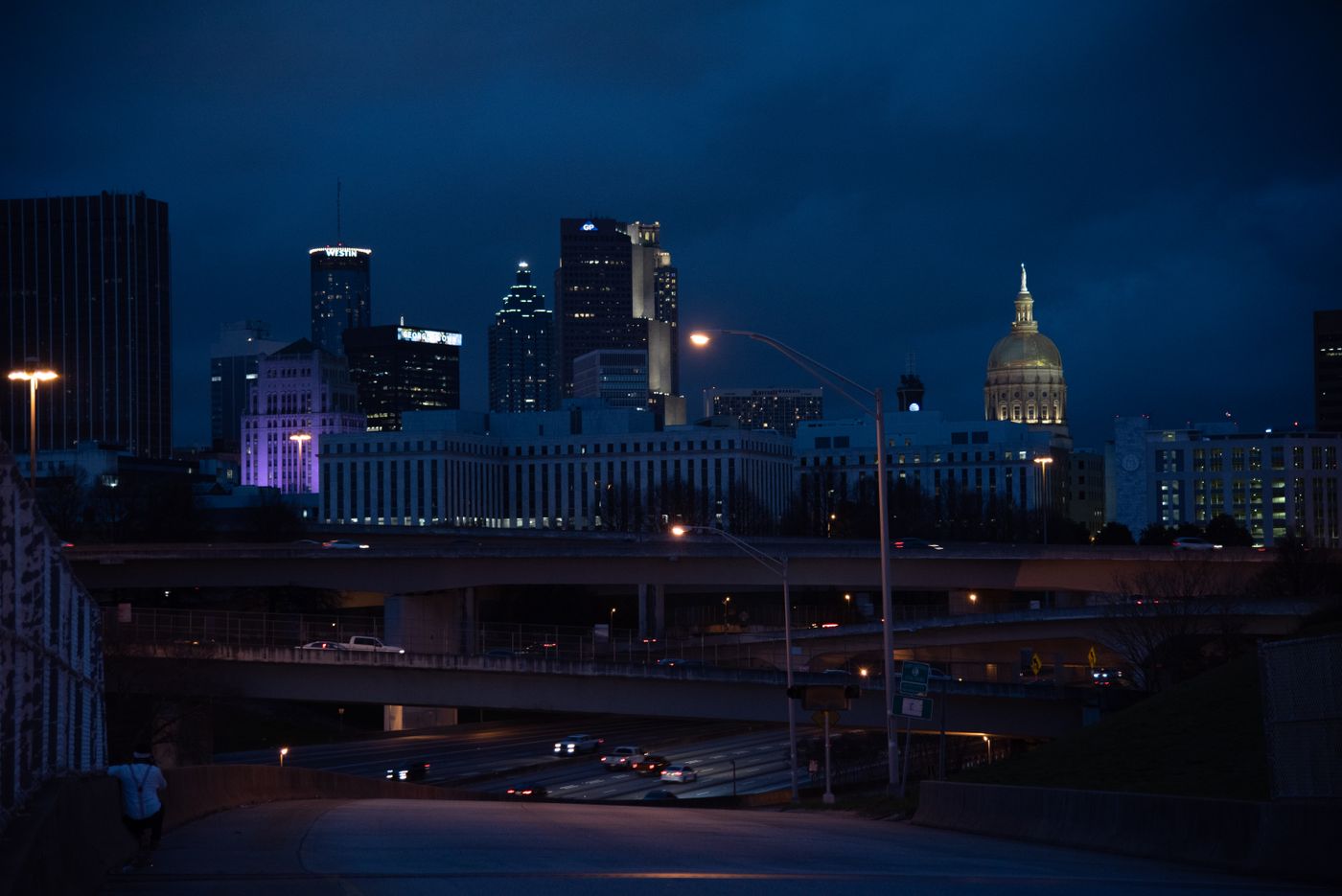
Here is the honest half. Downtown on a dark week is not dangerous in the way that word is usually meant, but it is empty, and emptiness has its own costs. Empty means fewer people to ask for directions, fewer open doors if you need one, and a longer walk between the places that are still serving food. Empty also means that a single loud group or a single person behaving oddly stands out far more than it would on a busy street. That is a fact about perception, and perception is what you actually experience when you are walking. The neighbourhood is not the problem. The lack of company is.
The quiet turns into a real problem in specific places at specific times. The blocks around Five Points after the evening commute, the stretch south of the convention core, and the walk back to a hotel that sits on its own rather than in a cluster: these are the moments when you will notice that you are alone. It does not suit everybody. If you are travelling alone, if you are not comfortable walking in an empty city centre after dark, or if you want an evening that includes spontaneous choices about where to eat and drink, downtown on a dark week will frustrate you. That is a reason to choose a different base, not a reason to be frightened.
What this piece cannot tell you is how any given night will actually feel. The convention calendar moves, and a week that looks blank when you book can fill up with a event you did not know about. The reverse is also true. We do not print opening hours, and we do not print prices, because both change and a stale figure is worse than no figure. Check the venue's own page for your date, and check the convention calendar for your week before you decide how much of the evening you want to spend on foot. Those two checks will tell you more than any description can.
It also cannot tell you what you personally need from an evening. Some travellers want a quiet room, a short walk and an early night, and for them downtown on a dark week is close to ideal. Others want the opposite. The neighbourhood does not pretend to offer a nightlife district, and if you arrive expecting one you will spend the evening walking towards things that are not there. The mismatch is the problem, not the streets. Be honest with yourself about which traveller you are before you commit to a downtown hotel on a week with nothing on.
How to spend the evening well
If you are staying downtown, decide the shape of your evening before you leave the room. The front half is the attractions and dinner, and it works best if you start early and finish early. The back half is a nightcap in a hotel bar in a convention property, which is the most reliable thing open after the attractions close, because hotel bars serve guests regardless of what is happening in the city. Pick your hotel bar deliberately: a large convention property will have one that stays open and feels inhabited even on a quiet night. Check the venue's own page for your date, since private events can close a bar without notice.
For the walking, stay on the lit spine. Peachtree Street between the hotel towers is the route that keeps you in sight of buildings with people in them, and it links the convention core to the older blocks without sending you through empty stretches. If you want to see Castleberry Hill or Sweet Auburn, go earlier rather than later and go with a purpose: a gallery, a specific restaurant, a specific building. Do not wander into either after dark hoping to find something, because on a non-event night there is often nothing to find. Arrive, do the thing you came for, and leave the way you came.
Transport is your second decision. Downtown has the best transit access in the city, with Five Points connecting the lines, and using it removes the long walk back to your room. If you are staying in Castleberry Hill or Sweet Auburn, plan the last leg of the night in advance, because Garnett and King Memorial are not stations you want to be working out for the first time at midnight. A rideshare from a lit hotel entrance is a reasonable choice on a quiet night, and there is no shame in it. The point of the evening is to enjoy it, not to prove something about walking.
If the quiet is going to bother you, sleep somewhere else and visit downtown during the day. Midtown, which we would send a first-time visitor to for a livelier evening, and the neighbourhoods around it give you more open doors after dark. Stay downtown if you want the cheapest walk to a train in the city, if your trip is built around a convention or a game, or if a quiet evening is what you are after. Otherwise, treat downtown as a daytime and early-evening destination, see the attractions while they are open, and put your bed where the streets stay busy.
This piece is compiled from the venue's or the operator's published information and the site's own neighbourhood checks, not from a visit. Nobody writing this page has been to Atlanta. Prices, hours and anything that moves week to week are not printed here, so check the venue's own page for your date and the convention calendar for your week. What cannot be measured from a desk is how an empty street feels to you at nine in the evening, and that feeling is the whole question. Nothing on this page is paid placement.
Read the method ↗