
Atlanta summers are humid subtropical, not desert-dry. From mid-June through August, afternoon highs sit around 31–33°C, and the heat index — what it feels like with humidity — often pushes past 37°C between 1pm and 5pm. Mornings are the reliable window: by 9am it is warm but workable, and Piedmont Park, the Atlanta BeltLine Eastside Trail and the Atlanta Botanical Garden are all best walked before 11am. Thunderstorms are common in the late afternoon and usually pass in an hour, so build a loose plan rather than a fixed one.
How hot it actually gets, and when to move
Atlanta summers are humid subtropical, not desert-dry. From mid-June through August, afternoon highs sit around 31–33°C, and the heat index — what it feels like with humidity — often pushes past 37°C between 1pm and 5pm. Mornings are the reliable window: by 9am it is warm but workable, and Piedmont Park, the Atlanta BeltLine Eastside Trail and the Atlanta Botanical Garden are all best walked before 11am. Thunderstorms are common in the late afternoon and usually pass in an hour, so build a loose plan rather than a fixed one.
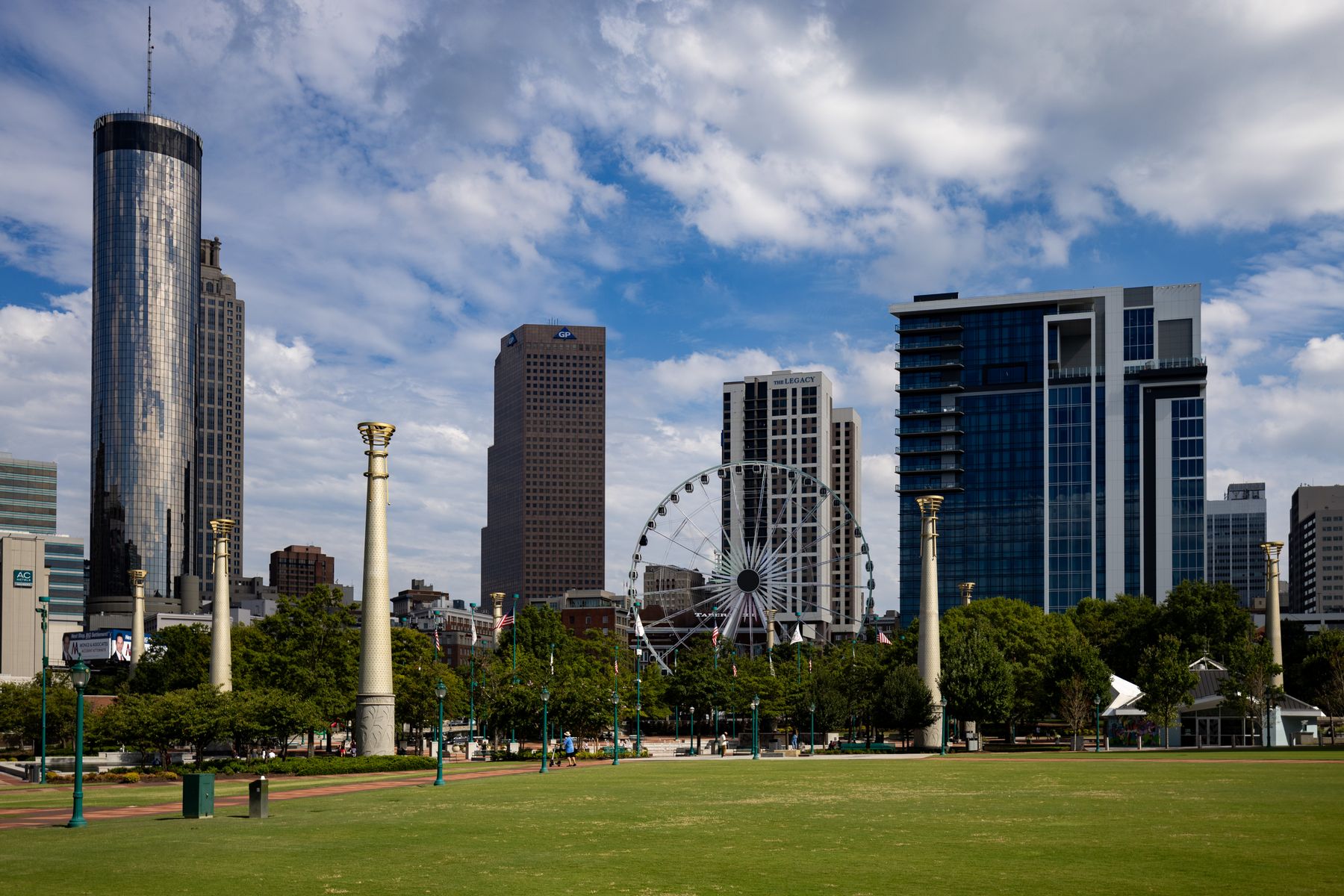
If you are visiting from a dry climate, the humidity will surprise you more than the temperature. Light clothing, a refillable bottle and a hat matter more than sunscreen alone. The city's tree canopy is genuinely dense — the nickname "City in a Forest" is earned — so shaded streets in Inman Park, Ansley Park and Virginia-Highland stay noticeably cooler than the open plazas downtown around Centennial Olympic Park. Plan outdoor sightseeing for the morning, indoor or pool time after lunch, and a late dinner once the sun drops.
Where to swim: public pools, parks and the quarry
Public swimming in Atlanta means the city's Department of Parks and Recreation pools, which open seasonally — typically from late May into early August — with small entry fees. Piedmont Park's outdoor pool, the Grant Park pool and the pools at M.L. King Jr. Aquatic Center are the ones worth checking first; hours and open days shift year to year, so confirm on the day rather than relying on last season's schedule. A short drive east, Stone Mountain Park has a beach and swimming area on the lake, roughly 40 minutes from Midtown depending on traffic.
For a more polished afternoon, several hotels sell day passes to their outdoor pools, which is worth knowing if your own hotel does not have one. If you want a lake rather than a pool, Lake Lanier is about an hour northeast via I-985 and has public swim beaches and boat rentals. The old Bellwood Quarry, now Westside Reservoir Park, is a reservoir — not swimmable — but it is a superb shady walk and water view, and a good substitute on a day when you would rather not pay for a pool.
Which neighbourhood to book for a summer stay
Midtown puts you within walking distance of Piedmont Park, the Botanical Garden and the High Museum, and it is on the MARTA Red and Gold lines, which connect to the airport in about 20 minutes. Expect the highest summer rates here. Downtown around Peachtree Center and Centennial Olympic Park is cheaper and good for the Georgia Aquarium and the National Center for Civil and Human Rights, but the streets empty out in the evening. Buckhead is quiet, leafy and car-dependent, with the malls and restaurants along Peachtree Road.
For most first-time visitors in July or August, I would book Midtown: the walkability, the park access and the direct airport train are hard to beat when it is 33°C and you do not want a taxi for every errand. If you are travelling with children and plan to drive to Stone Mountain or Lake Lanier, Buckhead's parking and larger rooms are the better trade. Decatur, six miles east and on the Blue Line, is a quieter alternative with its own square of restaurants, and often better value than the city centre.
Getting around, and what to skip
MARTA rail covers the airport, Midtown, Downtown and Decatur efficiently; for anything else, rideshares are plentiful but surge in the late afternoon. Driving between 4pm and 6.30pm on I-75 and I-85 northbound is genuinely slow, so avoid scheduling a cross-town trip then. Many hotels in Midtown and Buckhead charge for parking per night, and that figure can add meaningfully to a summer stay — check it before you compare room rates. The Atlanta Streetcar loops downtown, useful mainly if you are staying there.
Skip the afternoon walking tour of the Martin Luther King Jr. National Historical Park in the full sun — go at opening instead, when the Ebenezer Baptist Church and the birth home area are calm and cool. Skip Centennial Olympic Park at midday; it has little shade. And do not treat late July as a quiet month: school holidays keep family attractions busy, so book aquarium and museum tickets for the first slot of the day. Late May and early June give you the pools without the peak August heat.
"Atlanta in Summer: Heat, Pools and Planning Around Both" was written by the people who run AirFair Atlanta and is published as they wrote it, in November 2026. It is in 4 parts: How hot it actually gets, and when to move, Where to swim: public pools, parks and the quarry, Which neighbourhood to book for a summer stay and Getting around, and what to skip.
Read the method ↗